Types of Keys Copied in New Haven: A Comprehensive Guide
Published: Sep 11, 2026
On April 22, 1775, during New Haven’s historic Powder House Day, Benedict Arnold famously demanded the keys to the local powder house to arm his militia. While the keys of the Revolutionary era were heavy, hand-forged iron, the modern reality of securing a home in East Rock or managing a commercial property near Yale University is far more complex.
Whether you need to replicate a delicate, antique brass key for a historic Westville home or program a high-security fob for a modern vehicle, getting a key copied in New Haven requires an understanding of what key profile you hold and which duplication method guarantees your security. Selecting the wrong service can leave you with a non-functioning copy or, worse, compromise your physical security.
The Ultimate Key Duplication Matrix (MOFU Decision Tool)
Evaluating how and where to copy your keys depends entirely on the type of key you possess. Standard hardware stores and self-service kiosks have strict physical and mechanical limitations. Use this matrix to identify the ideal duplication method for your specific key.
Antique Skeleton Keys(Bit/Barrel keys for historic homes)
Extremely High
No
No
Yes (Requires specialized blanks/hand filing)
$20 – $75
Automotive Transponder Keys(Laser-cut fobs)
High
No (Mail-in option only)
No
Yes (On-site programming required)
$90 – $250
Deep Dive: Types of Keys We Duplicate in New Haven
Standard Residential Keys (The Big Three)
The vast majority of residential homes in Greater New Haven rely on three keyway profiles: Kwikset (KW1), Schlage (SC1), and Yale (Y1).
While automated kiosks can process these basic profiles, they suffer from a major technical vulnerability: physical wear. Automated optical imaging systems have a 10% to 15% miscut rate on keys with more than 0.003 inches of mechanical wear. When you copy a worn key at a kiosk, you are “duplicating the damage,” leading to sticky locks and eventual lockouts.
By contrast, a professional locksmith new haven uses physical micrometer calibration to decode your worn key’s original cuts. We cut back to the manufacturer’s original “factory code” rather than copying the wear, reducing the failure rate to under 0.5%.
The Historic Home Challenge: Antique & Skeleton Keys
Over 42% of residential buildings in historic neighborhoods like East Rock, Wooster Square, and Prospect Hill were constructed before 1939. These historic structures rely on antique mortise locks and cast-iron rim locks that cannot be serviced by modern retail key machines.
Replicating historic skeleton or bit keys is an art. It requires a massive inventory of vintage steel and brass key blanks, specialized manual wheel-cutting machines, and hand-filing expertise. While historical shops like Cohen’s Key Shop on Fitch Street have built a long legacy of servicing these locks, our fully-equipped mobile service vans bring this specialized craftsmanship directly to your doorstep.
High-Security & Master Key Systems
Downtown commercial spaces, multi-family housing, and properties leased by Yale University students require patented keyways like Medeco, Schlage Primus, or restricted Yale protected systems.
At a retail kiosk, a standard “Do Not Duplicate” stamp carries no legal weight. However, patented high-security keyways are legally protected. Replicating these keys requires specialized machines, proprietary key blanks, and a verified authorization card linked to your identity. A professional locksmith company ensures strict compliance with these security protocols to prevent unauthorized duplicates of your master keys.
Special Use Keys: Mailboxes, Padlocks, and Cabinets
Small-profile keys for USPS-regulated mailboxes, double-sided wafer keys for filing cabinets, and tubular keys for high-security bicycle U-locks present unique challenges. Due to their compact dimensions, retail machines frequently misalign the blanks. Our technicians utilize precise manual depth-key machines to ensure these delicate keys operate smoothly without damaging the lock’s internal wafers. If your mailbox lock is already sticking, professional lock repair services can restore the mechanism before a key breaks off inside.
The Social Media Security Alert: The "New House Key Picture" Threat
When buying a new home in New Haven, posting a celebratory picture holding your keys on Instagram or Facebook is incredibly tempting. However, this trend represents a massive security risk.
Modern optical recognition software can decode physical key cuts from a single, high-resolution smartphone image with 98% accuracy. Using this digital data, an unauthorized individual can easily fabricate a working duplicate of your house key without ever touching the physical metal.
To celebrate safely, photograph your keys at a sharp angle, obscure the teeth with your fingers, or showcase your new keychain with the mechanical cuts blurred out entirely.
Frequently Asked Questions
Why do key copies from automated kiosks often fail to work?
Automated kiosks rely on optical scanning to copy a key’s physical shape. If your key has more than 0.003 inches of mechanical wear from daily use, the kiosk duplicates that wear. Professional locksmiths bypass this issue by reading the worn cuts and manually calibrating their machines to cut the duplicate back to the original manufacturer’s factory specifications.
How do I duplicate a key that is stamped "Do Not Duplicate"?
If the key is a standard residential blank (like Kwikset or Schlage), the stamp has no legal authority, though retail stores may decline to copy it out of store policy. However, if the key belongs to a patented high-security system (such as Medeco or Schlage Primus), it cannot be copied without presenting a matching authorized signature card and valid identification to a certified locksmith.
Can modern transponder and laser-cut car keys be duplicated on-site?
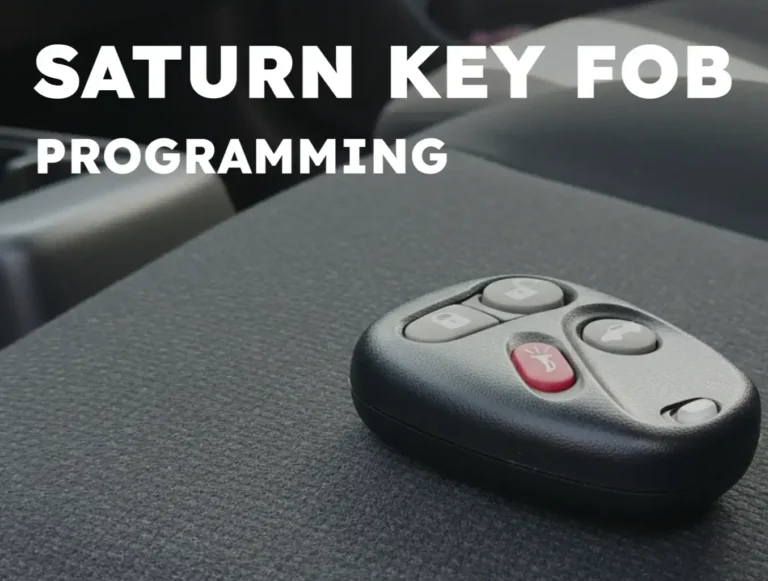
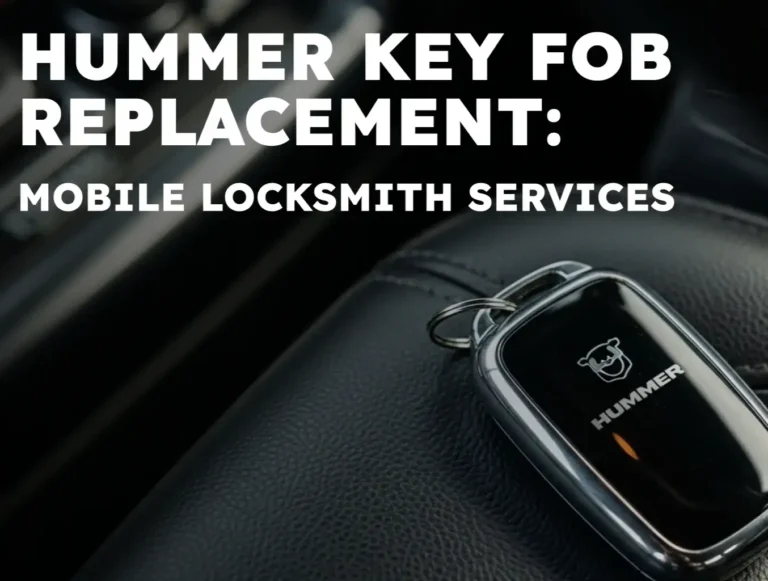
Yes. Unlike traditional keys, modern transponder keys and high-security fobs require both mechanical laser-cutting and digital transponder chip programming. A mobile locksmith equipped with specialized OBD-II programming tools can perform this service on-site, providing a seamless solution for complex vehicles, including subaru car key replacement, without the need for a costly dealership tow.
Local DIY Alternatives: MakeHaven vs. Professional Locksmiths
For local makers, “made haven”—the common shorthand for MakeHaven on State Street—is an incredible non-profit community makerspace. While MakeHaven is the perfect resource for 3D-printing customized decorative key tags, engraving keychains, or crafting artistic resin keycaps, mechanical and high-security key duplication must remain in the hands of professionals.
To protect your home and business, security-critical key duplication should always be executed by a technician holding an active Connecticut Locksmith License (which requires mandatory background checks and state registration), ensuring professional integrity and precision.