Choosing the Ultimate Residential Gate Lock: Keyed Latches, Keypads, and Weatherproofing
Published: Oct 6, 2026 | Updated: Oct 29, 2026
The search for the perfect residential gate lock is often met with a frustrating realization: standard door hardware simply isn’t engineered for the brutal realities of the outdoors. Perimeter gates are subjected to heavy wind, seasonal wood shifting, and relentless moisture. Finding a balance between convenience, absolute security, and weather resilience is critical to protecting your home.
Whether you are looking to secure a backyard pool, manage access for service crews, or prevent a pet from escaping, choosing the right system requires diving into the technical details of materials, ingress protection, and structural dynamics. Let’s break down the engineering benchmarks that define reliable outdoor security.
The Garden Gate Threat Matrix: Why Standard Hardware Fails
Standard entrance doors sit protected under porches, but perimeter gates face unique physical vulnerabilities that render typical deadbolts useless.
The first is the reach-over vulnerability. A standard 5-to-6-foot wooden gate fitted with a single-sided lock is inherently insecure. An intruder can easily reach over the top of the fence line and turn the internal thumb-turn. To establish robust security, you must select double-sided locks that require a key or code on both the interior and exterior face. To truly optimize your back garden security, preventing this physical bypass is your absolute first priority.
The second issue is the sag and swell phenomenon. According to the Forest Products Laboratory, a standard 3-foot wide cedar wood gate can expand or contract horizontally by up to 1/4 to 3/8 of an inch (6mm to 9.5mm) between dry winters and humid summers. Standard deadbolts require precise, millimeters-tight alignment. When a wooden gate shifts or sags, the rigid lock latch binds and fails. Robust gate locks must incorporate wide, flexible strike plates or adjustable latch-bolts (such as Locinox’s 20mm adjustments) to absorb this thermal wood movement.
Keyed Latches vs. Keypads: Navigating the Selection Dilemma
When choosing between a mechanical keyed latch, a mechanical keypad, or a smart electronic system, you must weigh convenience against long-term maintenance. In the debate of keyed vs keyless entry, each configuration has a distinct operating profile:
Keyed Latches: Unmatched physical durability. These rely on gravity or magnetic latching (like MagnaLatch systems) to guarantee self-closing. They are ideal for pool safety, though managing physical keys for dog walkers or contractors can become a logistical bottleneck.
Mechanical Keypads: The zero-battery, zero-maintenance compromise. Premium manufacturers like Borg feature Easy Code Plus (ECP) technology, allowing you to change the access code on the gate within ten seconds using a key, completely eliminating the need to dismantle internal tumbler pins with tweezers.
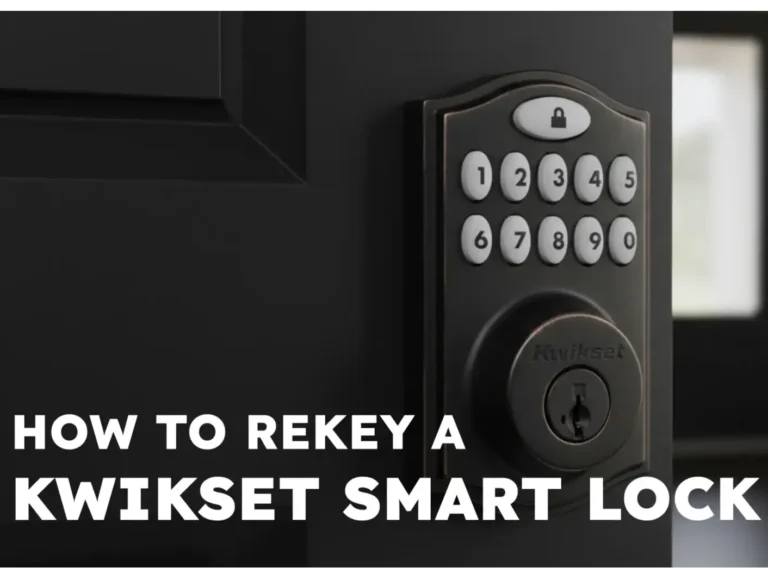
Smart Electronic Keypads: Unrivaled for multi-user access tracking and remote management, but highly dependent on weatherproofing and battery chemistry.
The Weatherproofing Masterclass: IP Ratings and Coastal Defenses
If you opt for digital convenience, your lock’s longevity hinges on its construction. To determine if a weatherproof smart lock can survive open exposure, you must look for the following engineering benchmarks:
Ingress Protection (IP) Standards
Most standard outdoor locks are rated IP65 (protected against water splashes), which is only sufficient for covered entryways. A perimeter gate subjected to heavy downpours and garden hoses requires a minimum of IP66 (powerful water jets protection) or ideally IP68 (complete, continuous immersion protection). High-end smart locks achieve IP68 by utilizing “potting”—a manufacturing technique where the entire printed circuit board (PCB) is encapsulated in liquid silicone or epoxy resin to prevent condensation and corrosion.
Winterization and Battery Chemistry
Standard alkaline batteries use a water-based electrolyte that freezes, causing them to lose up to 50% of their voltage at 32°F (0°C). When this happens, you may struggle to figure out how to lock keypad door from outside or get locked out entirely. Outdoor electronic locks must be paired with Lithium Iron Disulfide (Li/FeS2) batteries, which maintain consistent voltage outputs down to -40°F (-40°C).
Corrosion Resistance
Standard zinc alloy hardware will show red rust in as little as 24 to 72 hours in coastal air. If your home is within 5 miles of saltwater, seek hardware tested to ASTM B117 salt spray standards. Premium gate locks use electropolished Grade 316 Stainless Steel or specialized dual-layer PTFE coatings to endure 1,000 hours of salt spray without degradation.
Frequently Asked Questions
Can I use a standard smart lock on an outdoor wooden gate?
No. Standard smart locks are built for covered residential doors. They lack the IP68 protection, potted circuit boards, and large latch tolerance required to handle seasonal wood expansion and driving rain without short-circuiting or binding.
How do mechanical keypads hold up in freezing winter weather?
Highly engineered mechanical keypads are exceptionally reliable in cold weather because they require no batteries. However, moisture can freeze inside the buttons. To prevent button freeze-ups, choose models featuring silicone internal seals or integrated rubber protective covers.
Why does my gate lock fail to latch properly in the summer?
This is caused by thermal and moisture expansion. Heat and high humidity cause wooden posts and gates to expand, altering the alignment of the lock bolt and the strike plate. Upgrading to a gate lock with an adjustable latch-bolt or a wide strike plate resolves this seasonal shifting issue.
Matching Materials: Wood vs. Metal Gate Installation
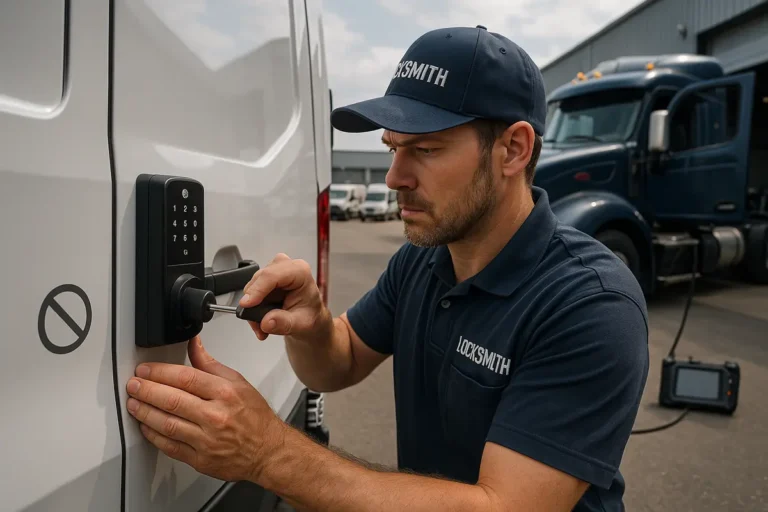
The gate’s structural material dictates the installation style. Wood gates warp and swell, meaning they require surface-mounted rim locks with extended latch-bolts to compensate for movement. It is often much easier to master how to lock a door from the outside on a wood gate using heavy-duty, surface-mounted mechanical keypads.
In contrast, hollow metal, steel, or wrought iron gates require bolt-on lock boxes or weld-in installations. Knowing how to install a deadbolt on a metal door requires specialized tools, but a bolt-on commercial lock like Locinox fits cleanly over metal profiles, creating a permanent, tamper-resistant security barrier.