Selecting the Right Hasp: Balancing Security Hardness with Weather Resistance


Published: Sep 10, 2026 | Updated: Sep 15, 2026

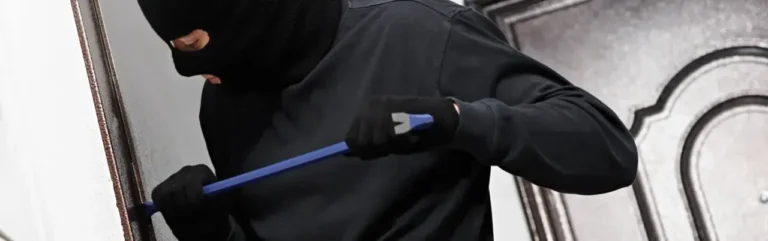
When securing a high-value gate, shed, or commercial door, many owners invest heavily in premium, high-security padlocks. However, security is only as strong as its weakest link. Pairing a military-grade padlock with a cheap, unhardened mild steel hasp creates an entry point that an intruder can bypass in seconds using standard bolt cutters. This asymmetry of security highlights why selecting the right hasp material and design is just as critical as choosing the lock itself.

If you are restoring an old entrance or evaluating your current physical security, you might require lock repair services to ensure your structural points remain uncompromised before choosing new hardware.

The Metallurgy Showdown: Physical Security vs. Environmental Durability


Choosing the ideal hasp material is a direct trade-off between physical strength and corrosion resistance.

Hardened and Boron-Alloy Steels

Case-hardened steel features a highly hardened outer crust wrapped around a ductile inner core, allowing it to absorb heavy impacts without shattering. Boron-alloy and boron-carbide steels represent the pinnacle of physical security, offering cut resistance up to four times greater than standard steel. Unhardened steel can be severed by manual bolt cutters with under 300 PSI of mechanical force, whereas case-hardened and boron-carbide alloys withstand over 1,000 PSI. However, these steels are prone to rapid oxidation (rust) when exposed to moisture unless they feature thick, protective plating. Additionally, under extreme sub-zero temperatures, ultra-hard boron steel can become brittle and susceptible to hammer-shattering attacks.

Stainless Steel (304 vs. 316)

Stainless steel is highly resilient against physical and atmospheric threats. Grade 304 provides excellent daily protection, but in high-chloride marine environments, it is prone to pitting. Grade 316 stainless steel contains 2-3% molybdenum, which, according to the International Stainless Steel Forum (ISSF), offers up to a 50% longer operational lifespan in coastal regions, preventing localized rust and tea-staining. For those integrating electronic security, understanding if your weatherproof smart lock matches the corrosion resistance of your physical hasp is vital for overall system longevity.

Brass and Bronze

While brass and bronze are immune to rust, they are physically softer metals. They are primarily used in non-sparking industrial environments, such as chemical processing plants, where physical attack risks are low but explosive hazards are high.

The Hasp Material Selection Matrix


To find the perfect balance between threat resistance and environmental exposure, use the comparative framework below to assess your options.

This table visually anchors essential technical data on hasp materials, helping users quickly compare performance to choose the best option for their security needs and environment.

Hasp Geometry and the Threat of Galvanic Corrosion


Beyond material science, physical security depends heavily on geometry. A high-quality hasp must feature concealed mounting screws. When the hasp is folded shut and locked, all mounting screws, carriage bolts, and joints must be completely covered to prevent an intruder from simply unscrewing the assembly from the frame. For entryways requiring aesthetic appeal alongside strength, pairing a secure hasp with a robust handleset creates a unified defensive barrier.

Another crucial factor is galvanic corrosion, which occurs when mismatched metals are paired in wet environments. Fastening a stainless steel hasp with zinc-plated screws or mounting it directly to an aluminum frame triggers an electrochemical reaction. The moisture acts as an electrolyte, rapidly corroding and weakening the softer metal (the screws or frame). Always match your fasteners to your hasp material—stainless steel hasps require stainless steel screws. If you need assistance choosing compatible hardware, consulting an experienced locksmith company ensures a flawless installation.

Frequently Asked Questions


Which is stronger: a hardened steel hasp or a stainless steel hasp?

A hardened steel hasp, especially one alloyed with boron, offers superior physical strength and cut resistance, withstanding over 1,000 PSI of mechanical force. However, stainless steel (particularly Grade 316) is far superior at resisting environmental corrosion, making it the preferred choice for humid, coastal, or outdoor environments where physical attack risks are moderate.

What is galvanic corrosion, and how does it affect security hardware?

Galvanic corrosion is an electrochemical reaction that occurs when two dissimilar metals, such as stainless steel and zinc or aluminum, come into contact in the presence of moisture. This reaction causes the weaker metal to corrode rapidly, which can lead to mounting screws shearing off and compromising the entire security assembly.

Can a professional locksmith install a tamper-proof hasp system?

Yes, professional locksmiths can assess your specific environment, recommend the ideal material pairings to prevent galvanic corrosion, and install heavy-duty, shrouded hasp systems with completely concealed mounting hardware to ensure your property remains fully secure.

Maintaining Outdoor Security Hardware for Longevity


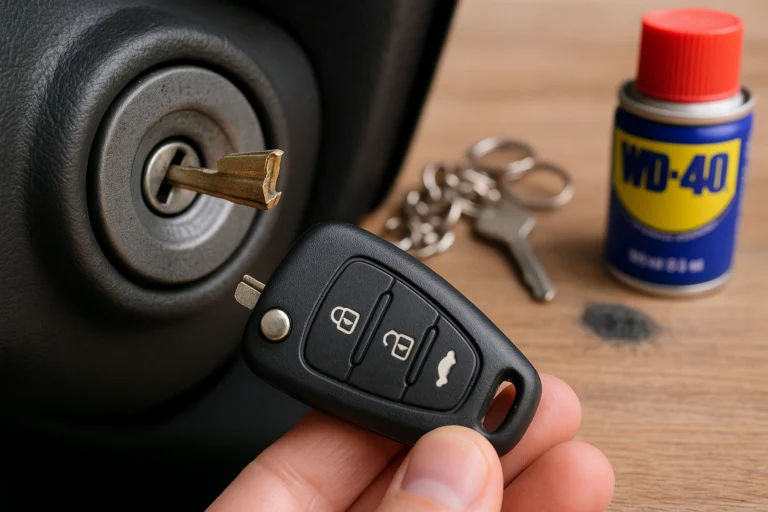
The International Association of Locksmiths reports that over 30% of outdoor security failures are caused by a lack of hardware maintenance or using incorrect, corrosion-prone materials that seize or degrade over time. Regular maintenance guarantees your physical defenses remain operational and prevents catastrophic lockouts.

Following these maintenance steps regularly helps extend your hasp's lifespan and ensures it maintains maximum security performance in challenging environments.

If your hardware has already begun to seize or show signs of structural degradation, check your locksmith warranty to see if your current installations are covered for replacement or professional servicing.

Need more information? Get a free quote

Call us now

Get A Free Call From Our Experts!

Floating Button Form