When to Duplicate, Rekey, or Replace Locks: The Greenwich Home Security Guide


Published: Sep 11, 2026

Securing a premium property in Greenwich, Connecticut—whether a historic estate in Backcountry, a waterfront property in Belle Haven, or a modern home in Riverside—demands a balance between sophisticated security and architectural preservation.

According to FBI Uniform Crime Reporting data, approximately 55.7% of residential burglaries involve forced entry. This underlines the critical importance of physical lock integrity. When managing access to your estate, you do not always need to replace expensive designer locks. Often, a more targeted solution like rekeying is more secure and cost-effective.

Understanding the differences between key duplication, lock rekeying, and lock replacement helps you maintain strict key control while preserving custom architectural hardware.


The Three Tiers of Key Control


Every security strategy relies on selecting the right level of intervention. For Greenwich homeowners, estate managers, and commercial property owners, key control falls into three distinct categories:

  • Key Duplication (The Shareable Copy): This is the simple process of cutting a physical copy of an existing key. It is appropriate when your lock infrastructure is completely secure, and you simply need to provide access to a trusted family member or housekeeper.
  • Lock Rekeying (The Elegant Security Reset): Rekeying alters the internal pin configuration of your existing cylinder so that old keys no longer operate the lock. The exterior hardware remains completely untouched. This is the gold standard for preserving designer hardware like Baldwin, Rocky Mountain, or Emtek brass entry sets when tenant, staff, or ownership changes occur.
  • Lock Replacement (The Hardware Overhaul): This involves removing the entire lock mechanism and installing new hardware. Replacement is necessary when locks are physically worn, damaged from a break-in attempt, or when upgrading to smart home automation systems (like Savant, Crestron, or Control4).

Key control diagramThis diagram clarifies the fundamental differences between duplicating a key, rekeying a lock cylinder, and completely replacing a lock, helping homeowners decide the right security step for different scenarios in Greenwich estates.


Greenwich Scenario-Based Decision Matrix


Choosing the right service depends on your immediate security needs and property type. Below is a structured matrix to help you determine the optimal path:

Scenario Recommended Action The Security & Aesthetic Context Sure Lock & Key Pro Tip
Purchasing a new estate in Backcountry or Riverside Rekey Entire Estate Multiple keys may be held by previous owners, agents, and contractors. Rekeying secures your home without altering the exterior aesthetic. Request a Master Key System. This allows you to have a master key for all doors, while staff keys only open the service entrance.
Lost a gate or main entry key Rekey Immediately Lost keys create an active security vulnerability that compromises physical security. If using high-security cylinders (Medeco or Mul-T-Lock), we can rekey the cylinder instantly without replacing the expensive housing.
Upgrading to home automation systems Replace Selected Locks Smart ecosystems require specialized Z-Wave, Zigbee, or Bluetooth-enabled smart locks. We install customized smart deadbolts with premium brass finishes that match your estate’s design while integrating with your system.
Sticking lock on a historic 1920s Tudor Repair & Retrofit Standard modern retail replacements will not fit historic mortise lockcases. We specialize in antique lock restoration, repairing the mechanical mortise lockcase and retrofitting high-security cylinders inside it.
Staff or vendor turnover Rekey Specific Cylinders Prevents unauthorized re-entry and maintains privacy without the high cost of replacement hardware. Implement patented restricted keyways so employees cannot copy keys at local hardware stores without authorization.

Decision flowchartThis flowchart educates users on selecting the appropriate locksmith service based on their specific home security scenarios, increasing confidence and clarity in decision-making.

Can I Rekey a New Lock to an Old Key?


Yes, but it requires strict technical compatibility. A professional locksmith can rekey a brand-new lock to work with your existing key only if both locks use the same manufacturer’s keyway (for example, both must utilize a Schlage “C” keyway or both must use a Kwikset “KW1” keyway).

When you purchase new fixtures, our technicians can modify the cylinder pins inside the new lock to align perfectly with your current estate key, saving you from carrying a bulky ring of different keys.


Frequently Asked Questions


Is it cheaper to rekey or replace my estate locks?

Rekeying is significantly more cost-effective. Replacing high-end designer locksets can run $150 to $500+ per door in hardware costs alone. Rekeying typically costs between $25 and $65 per cylinder, allowing you to secure your estate while keeping your high-quality handlesets and brass plates.

Can you rekey different lock brands to use the same key?

You can only rekey different brands to use the same key if they share compatible keyways. For example, if you have both Baldwin and Schlage locks, they can often be rekeyed to the same key because Baldwin frequently uses Schlage keyway cylinders. However, a Kwikset lock cannot be rekeyed to work with a Schlage key.

Will rekeying my custom door hardware void its warranty?

Professional rekeying performed by a licensed Connecticut locksmith (carrying active credentials in compliance with the CT Department of Consumer Protection) will not void your hardware warranty. Our technicians specialize in working with designer brands like Rocky Mountain and Emtek, ensuring the internal pins are changed without compromising the mechanical integrity of the lock.


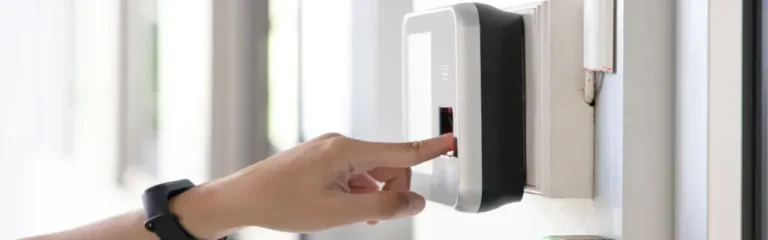
Whether you are securing a new home, managing staff changes, or exploring modern tech like what is biometric security and smart integrations, Sure Lock & Key provides the expertise you need. Contact us today for a comprehensive physical security consultation for your Greenwich property.

Deconstructing the Retail Locksmith Trap


Many homeowners consider DIY rekey kits or retail services. However, servicing high-end designer hardware requires specialized expertise.

Attempting to service custom architectural pieces, such as a high-end handleset, without specialized training can ruin the finish and void manufacturer warranties. Additionally, custom wooden doors in coastal Connecticut expand and contract with seasonal humidity. Installing locks without professional alignment tools often causes latch sticking, alignment failure, and broken keys.

Instead of relying on basic retail hardware, partnering with a licensed, professional locksmith company ensures your home’s entry points are secured by technicians using specialized tools and background-checked expertise.


Need more information? Get a free quote

Call us now

Get A Free Call From Our Experts!

Floating Button Form