New Commercial Lease: What to Rekey Before You Open


Published: Oct 5, 2026

Signing a new commercial lease is a monumental milestone, but taking possession of the keys introduces immediate, unquantified security risks. Many business owners mistakenly apply residential expectations to commercial real estate. In residential leasing, landlords face strict statutory obligations to secure units between tenants. In commercial leasing, that safety net disappears.

Understanding your liability and taking systematic control of your locks is the most critical task you must handle before opening day.
The Commercial Lease Handover Reality


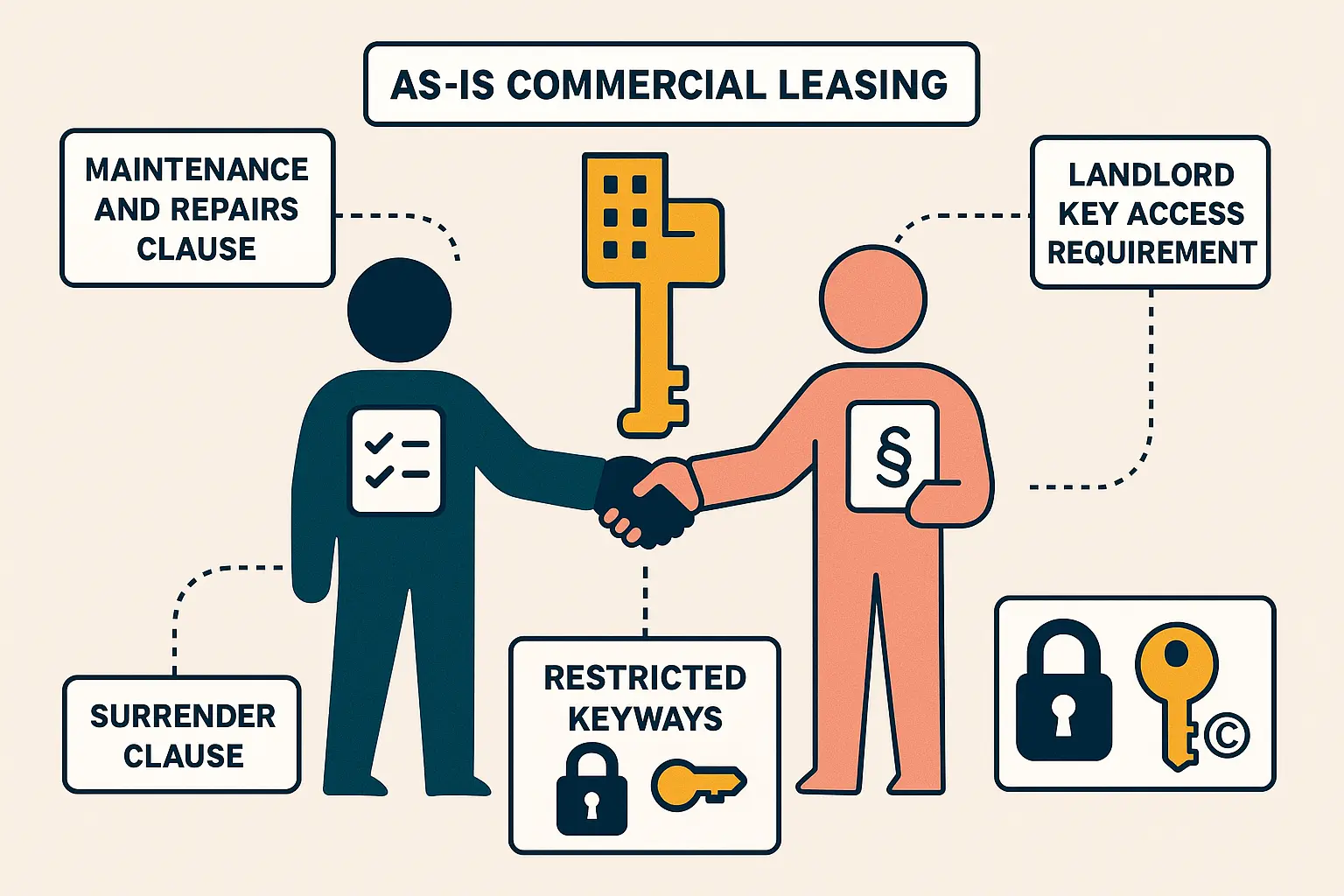
In commercial real estate, properties are almost universally handed over “as-is.” While residential laws mandate key changes, exactly 0% of US states require commercial landlords to perform commercial rekeying between tenancies. The security of your inventory, intellectual property, and employees is entirely your responsibility from the moment you sign the lease.

When you inherit physical keys, you also inherit every copy ever made by former tenants, subcontractors, utility workers, and disgruntled former employees. Security audits show that up to 30% of keys cut for standard commercial properties are duplicated without the business owner’s authorization. To protect your investment, you must audit your lease and secure your perimeter immediately.

Understanding your commercial lease handover: This visual clarifies why security responsibility lies with the tenant and explains critical lease clauses and restricted keyway options to safeguard your new premises.

The Master Key and Duplication Vulnerabilities


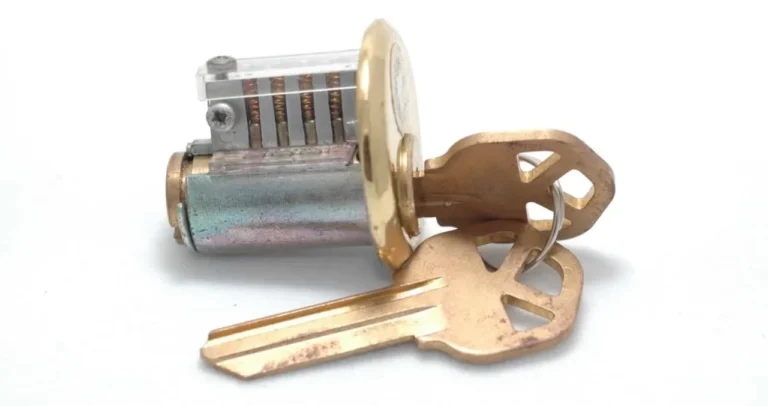
In multi-tenant complexes, landlords often employ a commercial master key system. If a previous locksmith rekeyed a lock poorly, residual master pins might allow master keys from other suites to open your doors. Professional locksmiths ensure existing master pins are entirely cleared during a rekey.

Furthermore, standard keys can be easily copied at any hardware store kiosk. To establish true key control, implement patented restricted key systems. These systems prohibit high security key duplication without authorized signatures, ensuring you always know exactly how many keys exist.

If you are preparing to open a new location, Sure Lock & Key offers licensed, fully-trained locksmiths operating 24/7 mobile service vans across multiple states. We can execute a seamless, compliant rekeying plan customized to your lease terms.

The Complete Commercial Space Rekey Checklist


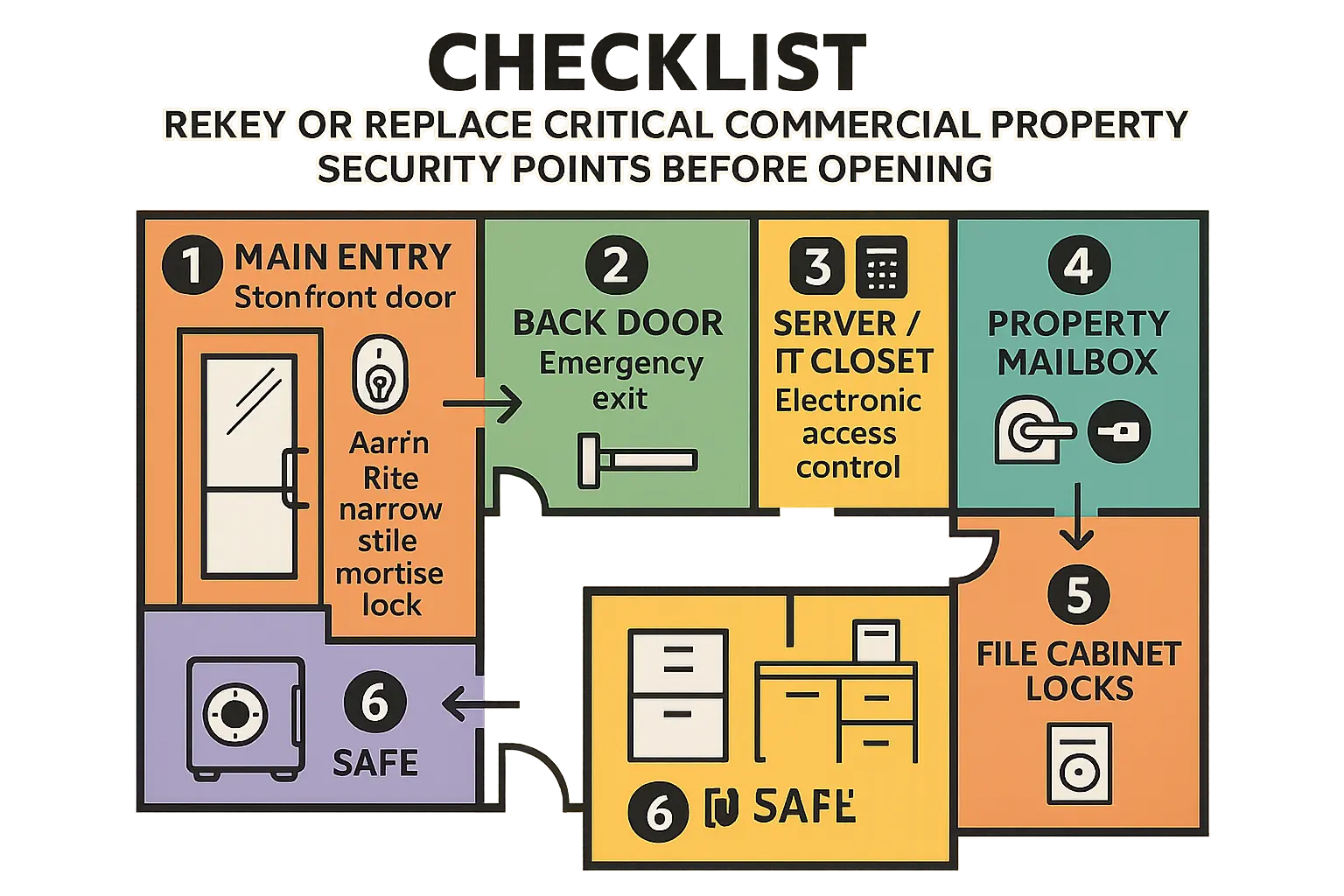
Securing a business extends far beyond the front door. Internal employee theft accounts for over 28% of retail inventory shrink according to the National Retail Federation (NRF). Use this systematic checklist to identify and seal every vulnerability:

  1. Main Entry Storefronts: These narrow-stile mortise cylinders are your primary line of defense.
  2. Back Delivery and Fire Exits: Often overlooked, these exterior rim cylinders must be rekeyed to prevent alleyway breaches.
  3. IT and Server Closets: Upgrading to a key fob entry system for buildings provides audit trails that are critical for PCI-DSS data compliance.
  4. Mailboxes: Rekey the utility cam locks to protect financial and legal correspondence.
  5. Filing Cabinets and Desks: Install a secure security file cabinet lock to protect hard-copy employee records and payroll data.
  6. Inherited Safes: Perform a factory safe combination reset. If a physical backup lock exists, consult experts in commercial safe cracking to safely reset the key override cylinder.

Comprehensive checklist for securing your commercial lease space: This step-by-step floor plan infographic covers every lock point you must address — far beyond just the front door.

Frequently Asked Questions


Can I rekey my commercial locks without the landlord's permission?

You must check your lease agreement. Most commercial leases permit rekeying for security but require you to provide a copy of the new key to the landlord for emergency access. Utilizing a restricted keyway ensures they cannot make unauthorized duplicates of your emergency key.

What is the cost difference between rekeying and replacing locks?

Rekeying typically costs $15 to $45 per cylinder, whereas a full lock hardware replacement ranges from $150 to over $500 per door depending on commercial grade and ADA compliance needs.

How do I protect my business from old master keys still floating around?

You must have a licensed locksmith completely purge the cylinder of old master pins. They can then isolate your locks from the building-wide system or integrate them into a secure, newly structured master system.

Critical Compliance Hazards: ADA and Fire Safety Codes


Modifying commercial hardware blindly can lead to major regulatory liabilities. You must balance physical security with local life safety codes:

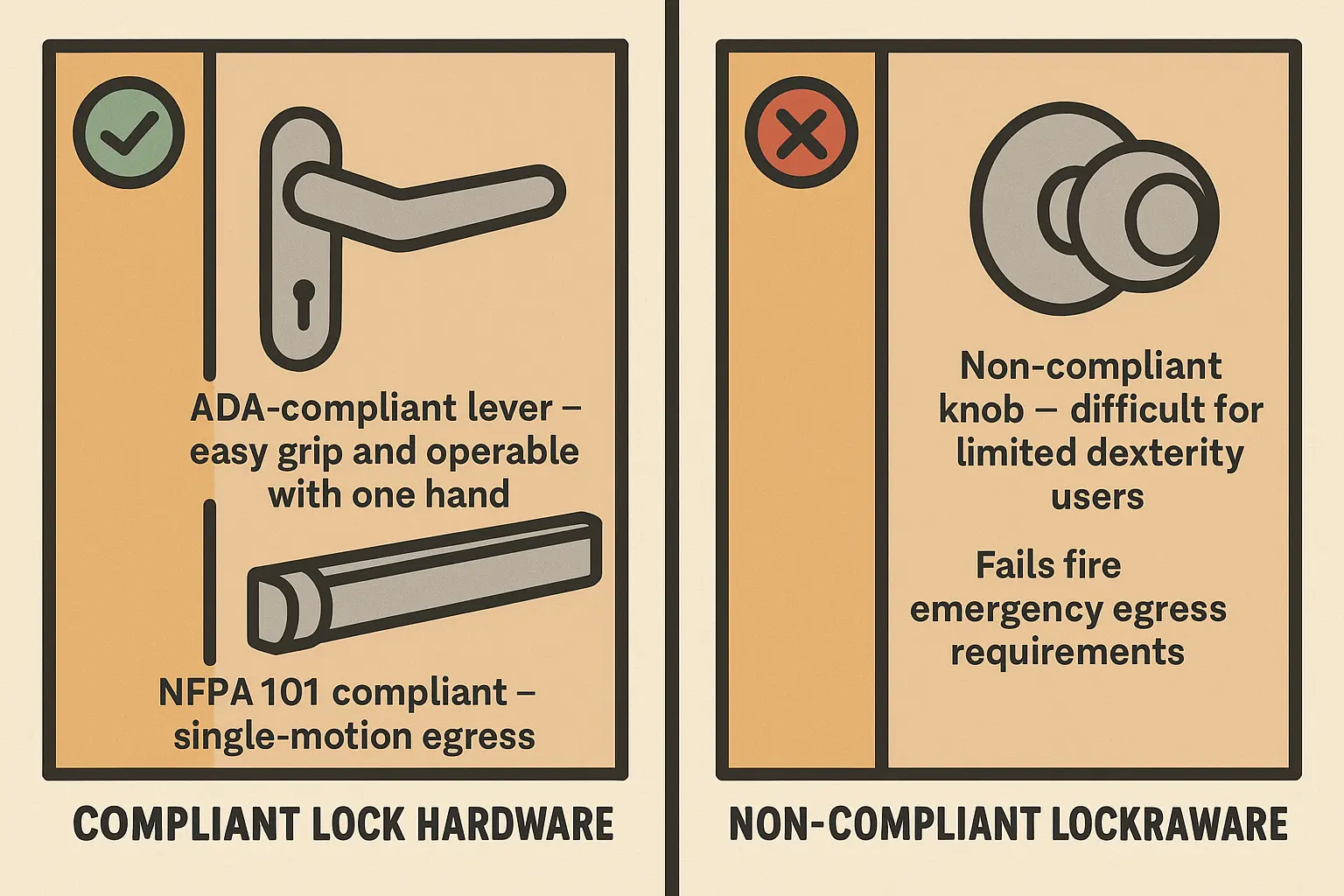
  • ADA Guidelines: Traditional round doorknobs are non-compliant; you must install lever handles that meet specific ada door lock requirements.
  • Life Safety Codes (NFPA 101): Interior egress must be single-motion. Installing double-cylinder deadbolts that require a key to exit from the inside violates fire codes. Ensure you install compliant fire code door locks on emergency exits.

Remember ADA and fire safety codes at a glance: This visual memory aid helps quickly differentiate compliant lock hardware to avoid costly legal issues in your commercial property.

Need more information? Get a free quote

Call us now

Get A Free Call From Our Experts!

Floating Button Form