Replacing your garage door is no longer just a weekend aesthetic upgrade. As the largest moving part and a major entry point of your home, a modern garage door setup is a crucial decision for security, insulation, and home automation. Evaluating your options requires navigating complex technical decisions, from structural materials to smart ecosystems.
Choosing And Installing Garage Doors & Openers: The 2026 Decision Guide
Published: Sep 17, 2026
The Financial Snapshot: Why a New Garage Door is Your Best 2025 Home Investment
If you are prioritizing home improvement projects, the data points to one clear winner. According to the 2025 Cost vs. Value Report by Remodeling Magazine/Zonda, replacing a garage door yields a record-shattering 267.7% to 268% return on investment (ROI) nationwide. With an average installation cost of $4,672 translating into an estimated $12,507 resale value increase, this project offers the highest financial yield of any home renovation today. To secure this value, however, you must select materials and mechanical systems that stand up to long-term wear and security audits.
The Great Insulation Battle: Polyurethane vs. Polystyrene
Your choice of insulation directly impacts your home’s energy efficiency and the structural integrity of your door.
- Injected Polyurethane: This insulation features liquid foam injected directly between steel panels, where it expands to fill every crevice and chemically bond to the steel. This creates a highly rigid, dent-resistant “composite sandwich.” Polyurethane delivers an outstanding R-value of 12 to 18+, effectively doubling the thermal performance of other materials.
- Polystyrene Sheets: These are loose polystyrene boards dropped into hollow-back panels. They do not bond to the door, leaving empty air pockets where thermal energy escapes and the panels can rattle. Polystyrene R-values top out between 4 and 9.
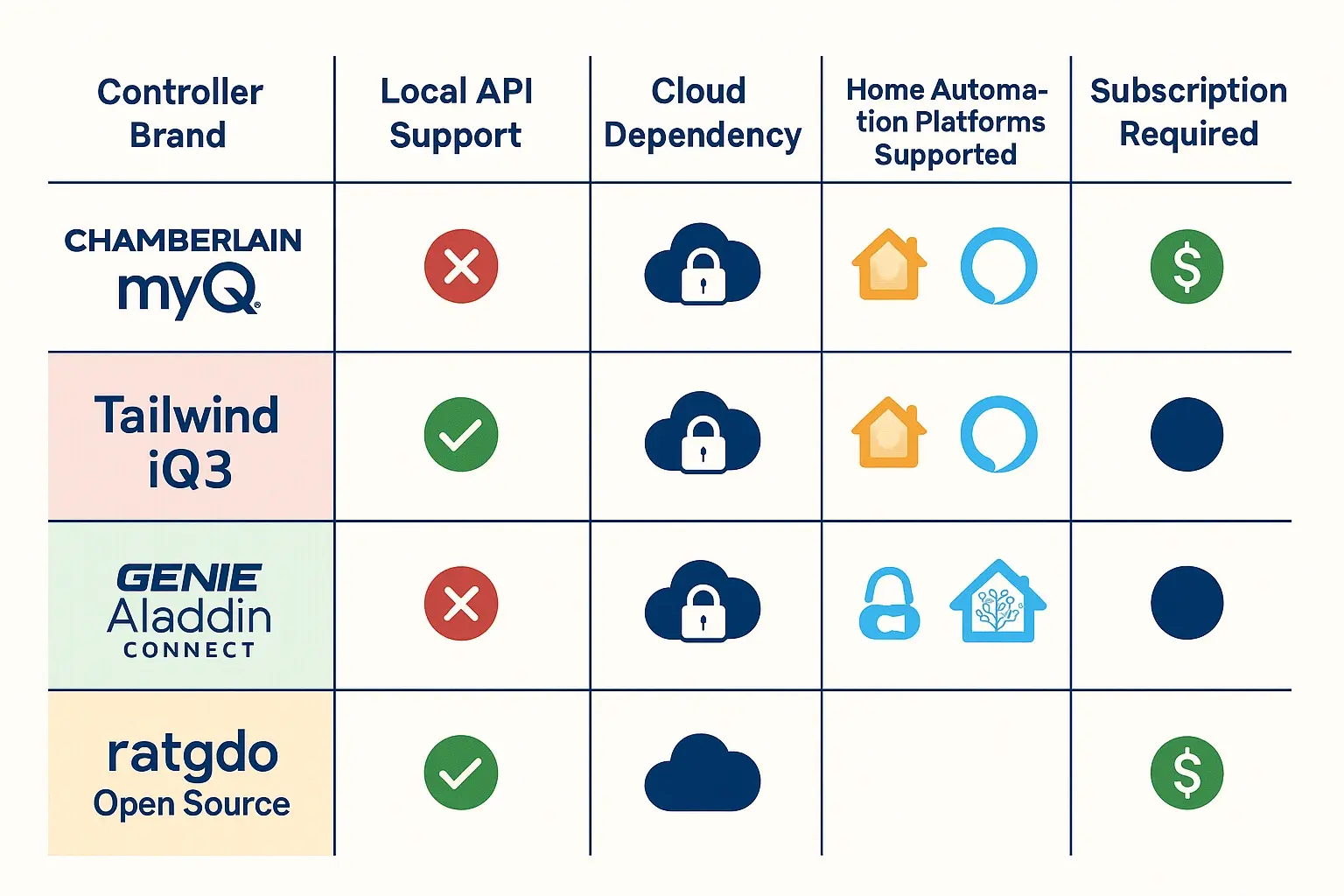
For attached garages, choosing polyurethane is crucial. It acts as a structural barrier that dampens road noise and reduces HVAC load.
Matching Your Opener Drive Type to Your Garage Layout
The right motor and drive mechanism depend on your garage’s physical layout:
- Belt Drive: Exceptionally quiet. Ideal for garages positioned directly beneath bedrooms.
- Chain Drive: The standard for raw lifting power. Best for heavy solid wood carriage doors.
- Screw Drive: High-speed and low-maintenance, performing reliably in extreme temperatures.
- Wall-Mount Jackshaft: Mounted to the side of the torsion bar instead of the ceiling. Perfect for freeing up overhead space or high-ceiling garages.
When reviewing hardware, prioritize robust torsion springs over extension springs. Torsion springs are engineered for 10,000 to 15,000 cycles (7 to 10 years of reliable use) and distribute weight more safely than extension springs, which are prone to snapping violently.
The Smart Home Reality Check: Local Control vs. The Cloud Lock-in
Smart openers are a key element of modern access control, but the software landscape has shifted dramatically. In late 2023, Chamberlain Group (which controls approximately 70% of the US market via Chamberlain, LiftMaster, and Craftsman) blocked its third-party myQ cloud API. This blockade broke myQ integration with local platforms like Home Assistant, leaving many homeowners locked into paid subscription models and restrictive cloud ecosystems.
When evaluating smart lock compatibility across your entire home, look for systems that offer local API access and avoid cloud lock-in:
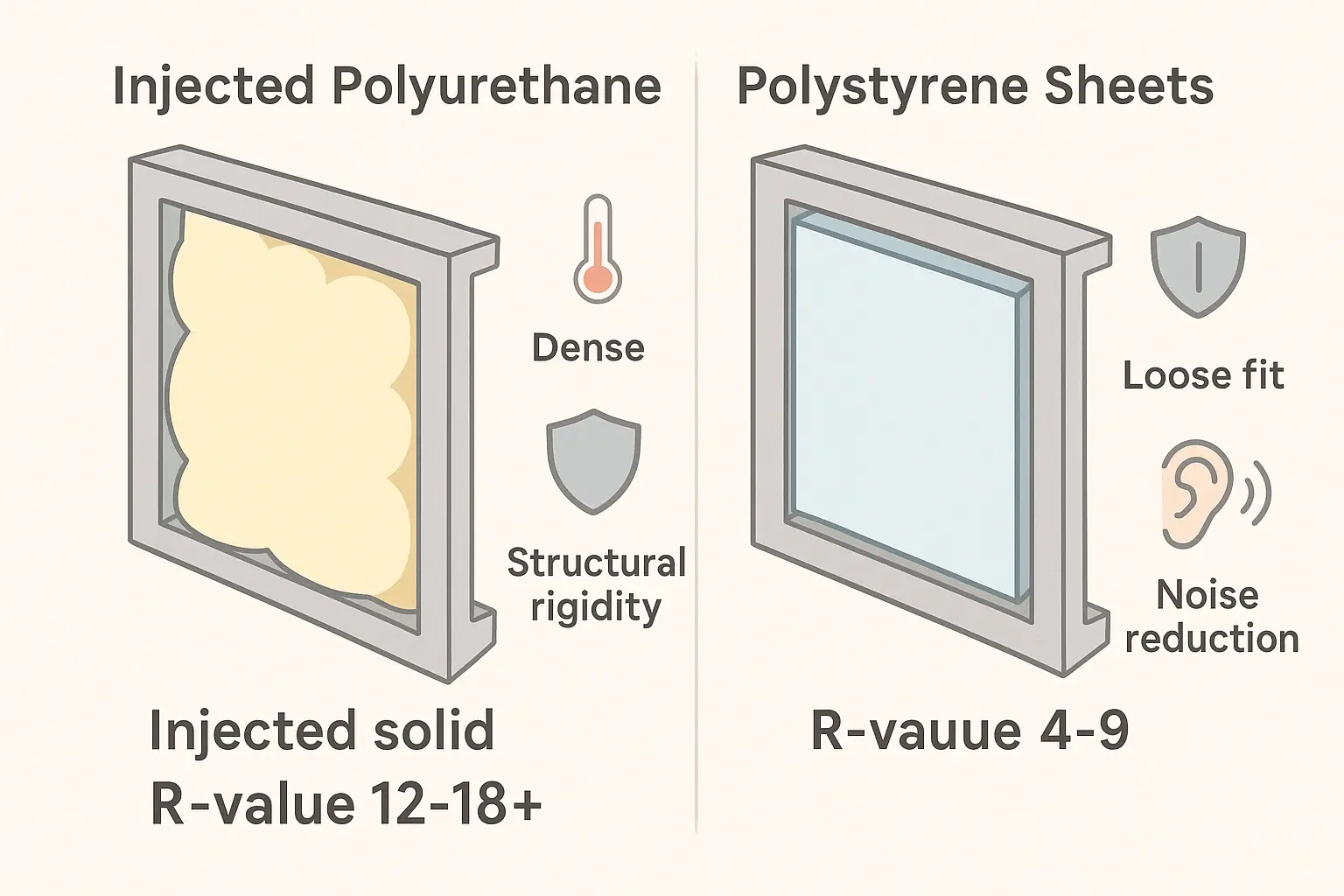
- The Local Route (ratgdo): For existing Chamberlain/LiftMaster openers, the open-source ratgdo (Rage Against the Garage Door Opener) hardware bypass interfaces directly with your system’s Security+ protocols, restoring local home automation.
- Ecosystem Compatibility (Tailwind & Meross): Systems like Tailwind iQ3 2.0 offer native Apple CarPlay, Android Auto auto-open geofencing, and operate without cloud subscriptions.
Safety Compliance Checklist: The UL 325 Mandate
Operating a garage door remotely requires rigorous safety precautions. Under the UL 325 safety standard, any controller facilitating unattended operation must feature a built-in audible beeper and visual flashing lights. This alerts anyone nearby before the door begins to close.
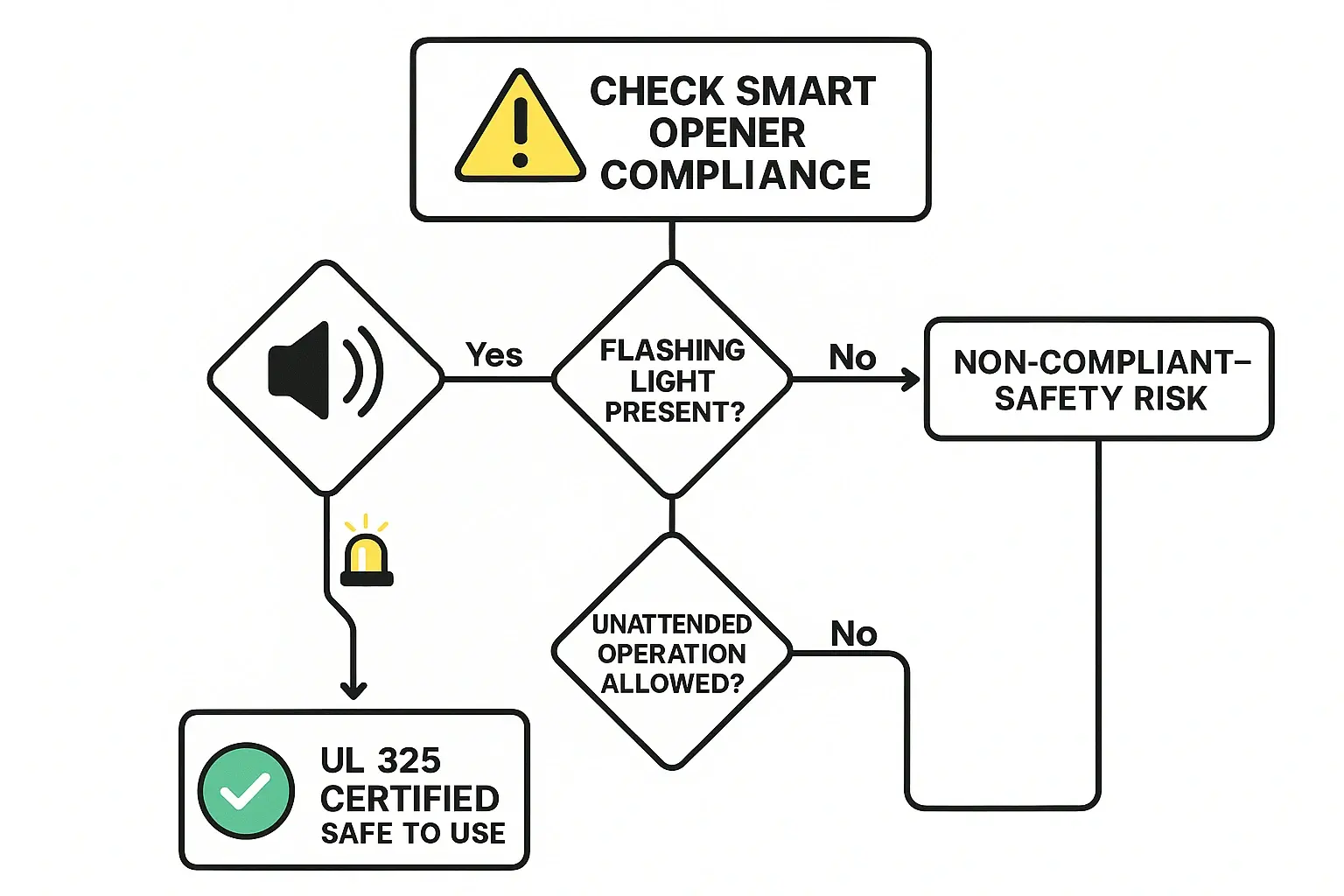
Installing cheap off-brand smart relays that bypass these alerts is a significant liability. Ensure your hardware complies with UL 325. Additionally, scheduling a professional home security audit can uncover weak access points, showing you how to make home more secure while staying within a reasonable budget.
Mechanical Integrity, Emergency Access, and Lock Security
While smart apps are highly convenient, the physical security of your garage door remains your primary defense. If you need to secure your door during vacations, knowing how to lock a garage door using physical slide locks or automatic locks is vital. For maximum security, learning how to lock garage door from inside prevents external latch-bypassing tricks often used by intruders.
In emergency situations—such as a power failure, a snapped torsion spring, or a lost garage door key how to open a locked system becomes the immediate priority. If you run into mechanical failure or find yourself locked out, you may wonder: can a locksmith open a garage door? Yes, fully-trained professional locksmiths can quickly bypass locked mechanisms, troubleshoot jammed emergency release cords, and repair damaged lock cylinders on-site.
Whether you need help with residential lock repairs, physical security upgrades, or automotive key replacements, Sure Lock & Key offers a complete suite of other services to keep your property protected.
FAQs
What is the average lifespan of a garage door opener?
Most high-quality motorized openers last 10 to 15 years. Proper maintenance, like lubricating the tracks and keeping the door balanced, can extend this lifespan.
Can I safely replace my own garage door springs?
DIY spring replacement is highly discouraged. Torsion springs hold immense mechanical tension. One mistake can cause catastrophic failure, leading to severe injuries. Always hire a professional for spring work.
Will a smart opener work if the Wi-Fi goes down?
Your physical wall button and traditional RF remote controls will continue to function normally. Only remote app access and cloud routines will be temporarily unavailable.
Next Steps for Home Security
Ready to upgrade your home’s security and access systems? Contact Sure Lock & Key today to consult with our licensed professionals. We are here to help you secure every entry point.
Need more information? Get a free quote